Culture & Identity
Who Are the Yoruba People? Worldview, Family, and Community
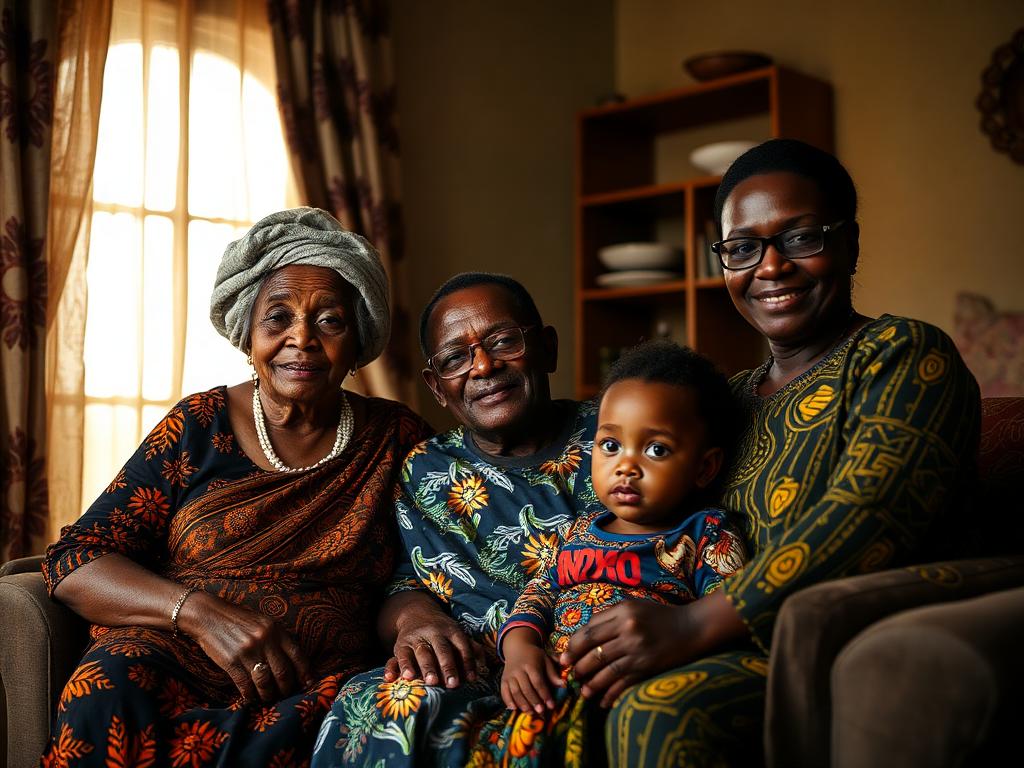
The Yoruba are one of the largest ethnic groups in Africa, numbering over 40 million people, with a homeland spanning southwestern Nigeria, parts of Benin and Togo, and a vast diaspora across the Americas — a legacy of the transatlantic slave trade that carried Yoruba spirituality and culture to Brazil, Cuba, Haiti, and the United States. Cities like Ile-Ife, regarded as the spiritual birthplace of the Yoruba people, and Oyo, once the seat of a powerful empire, anchor a civilization with deep traditions in art, language, spirituality, and social organization.
A Worldview Built on Ase and Destiny
Central to Yoruba religion and philosophy is the concept of ase — the life force or spiritual authority present in all things — and ori, one's personal destiny, chosen before birth. Ifá, the divination system associated with the orisa Orunmila, offers guidance for aligning one's actions with this destiny. This worldview shapes how Yoruba people approach relationships: partnerships are not just romantic arrangements but spiritual alignments that should be discerned carefully, often with the input of elders, diviners, and community.
Family Structure: Extended, Not Nuclear
Traditional Yoruba family life extends well beyond parents and children. Polygynous households, extended kin networks, and the compound system (agbo ilé) mean that "family" includes grandparents, cousins, in-laws, and even close family friends who take on titles like "aunty" or "uncle" regardless of blood relation. Respect for age and hierarchy is fundamental — younger people greet elders with prostration or kneeling, and decisions that affect the family, including marriage, are rarely made without consultation. Read more about how this shapes modern relationships on our Family pillar page.
Courtship as a Community Process
Traditional Yoruba courtship, ìbáṣepọ̀, was rarely a private affair between two individuals alone. Families investigated each other's backgrounds and reputations, elders offered blessings, and the community bore witness to the union through ceremonies like the introduction (family meeting) and traditional wedding rites — including the presentation of a dowry list, prayers, and the symbolic tasting of items representing bitterness and sweetness, a reminder that marriage holds both. This communal witness function served an important purpose: it created social accountability that helped relationships endure difficulty. You can explore this further on our Courtship and Marriage pillar pages.
Yoruba Values in the Diaspora Today
For millions in the diaspora — from Lagos to London, Atlanta to São Paulo — Yoruba identity persists through language (Yoruba is spoken by over 45 million people worldwide), spirituality (Ifá and its related traditions like Santería and Candomblé), music, cuisine, and above all, values: respect for elders, communal responsibility, and the belief that good character is the truest form of beauty. These values travel well beyond ethnicity — they offer anyone seeking deeper, more intentional relationships a proven cultural framework.
Why IFA HEARTS Draws on Yoruba Values
IFA HEARTS was built on the premise that the Yoruba emphasis on character, community witness, and intentional courtship produces stronger, longer-lasting relationships than algorithms built purely around appearance and convenience. Our community brings mentorship, shared cultural values, and accountability back into the process of finding a partner — echoing the agbo ilé for a modern, global audience. Continue reading about Yoruba traditions or see how this translates into character-based dating.
Join a Community Rooted in Yoruba Values
Find relationships built on character, mentorship, and cultural belonging.
Begin Your Journey