Culture & Character
Yoruba Traditions: The Foundations of Relationship and Family Life
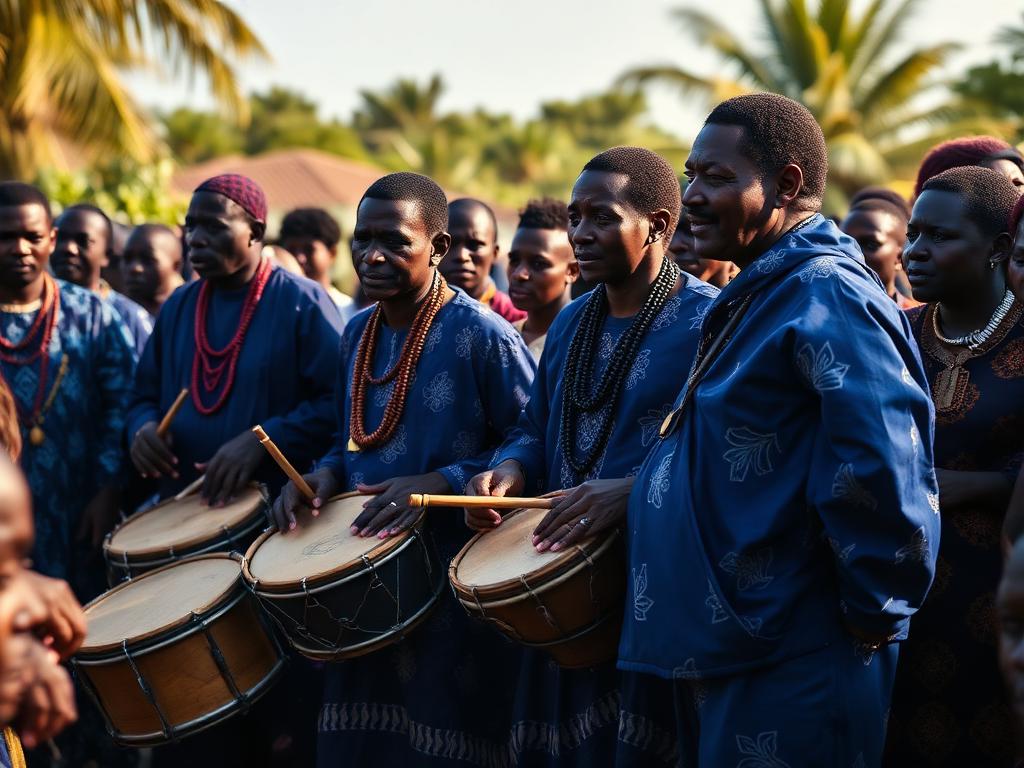
Long before dating apps and algorithms, the Yoruba people of southwestern Nigeria had already built a sophisticated framework for how humans should relate to one another — in friendship, courtship, marriage, and community. These traditions were not arbitrary customs; they were tested wisdom, passed down through proverbs, ceremonies, and the daily practice of iwa pele — gentle, good character. Understanding these traditions offers something modern relationships often lack: a shared moral compass and a community that holds people accountable to it.
Iwa Pele: Character as the Measure of a Person
In Yoruba thought, iwa (character) is considered the very essence of a person's destiny, or ori. The proverb "Iwa l'ẹwà" — "character is beauty" — captures a worldview in which how a person treats others matters more than wealth, appearance, or status. A person with iwa pele is patient, honest, respectful of elders, and generous to the community. This is why traditional courtship in Yoruba culture placed such heavy emphasis on observing a suitor's behavior over time, often through family and mutual friends, rather than on a single impression.
Agbo Ilé: Communal Living and Extended Family
The Yoruba compound, or agbo ilé, traditionally housed several generations of an extended family under one roof or cluster of homes. Children were raised not only by their parents but by aunts, uncles, grandparents, and neighbors — the origin of the widely cited African proverb "it takes a village to raise a child." This communal structure meant relationships were never truly private matters. Courtships, marriages, and even friendships were woven into a web of mutual accountability, support, and celebration. Today's nuclear, often isolated households can learn from this model by intentionally building community around their relationships rather than treating love as a purely private project.
The Role of Elders
Elders occupy a central place in Yoruba social life. They are the custodians of history, proverbs, and Ifá wisdom, and they are consulted before major life decisions, including marriage. An elder's blessing — often sought through prayer, libation, or divination — was believed to align a union with favorable ase (life force). Beyond spiritual significance, elders serve a very practical function: they have seen more relationships succeed and fail, and their counsel can help younger people avoid repeating common mistakes. Modern relationship platforms rarely offer this kind of intergenerational mentorship, yet it remains one of the most valuable traditions for building lasting partnerships.
Naming Ceremonies and Identity
The Yoruba naming ceremony, isọmọlorúkọ, held on the seventh or eighth day after a child's birth, is a vivid example of how community and family intertwine. Names are chosen carefully to reflect circumstances of birth, family history, or hopes for the child's character and destiny — names like Adebayo ("the crown meets joy") or Folake ("cherished with wealth") carry meaning that shapes identity for life. This ceremony reflects a broader Yoruba principle: relationships and family bonds are formalized, celebrated publicly, and rooted in intention rather than left to chance.
Bringing These Traditions Into Modern Relationships
None of this requires abandoning modern life — it requires reintroducing intentionality and community into how we build relationships. That is the founding idea behind IFA HEARTS: a platform where character (iwa pele) is prioritized in matching, where community — "the village" — is present through mentorship and shared conversation, and where courtship is treated as a meaningful process rather than an endless swipe. You can read more about how these values show up in specific stages of relationship in our Friendship and Courtship pillar pages, or continue exploring who the Yoruba people are and how their worldview shapes modern dating on character-based dating.
Experience These Values in Community
Join IFA HEARTS to meet people rooted in iwa pele, mentorship, and shared Yoruba values.
Begin Your Journey