← Core Pillars

03 · Divine Union

Marriage

Ìgbéyàwó — The Joining of Two Lineages

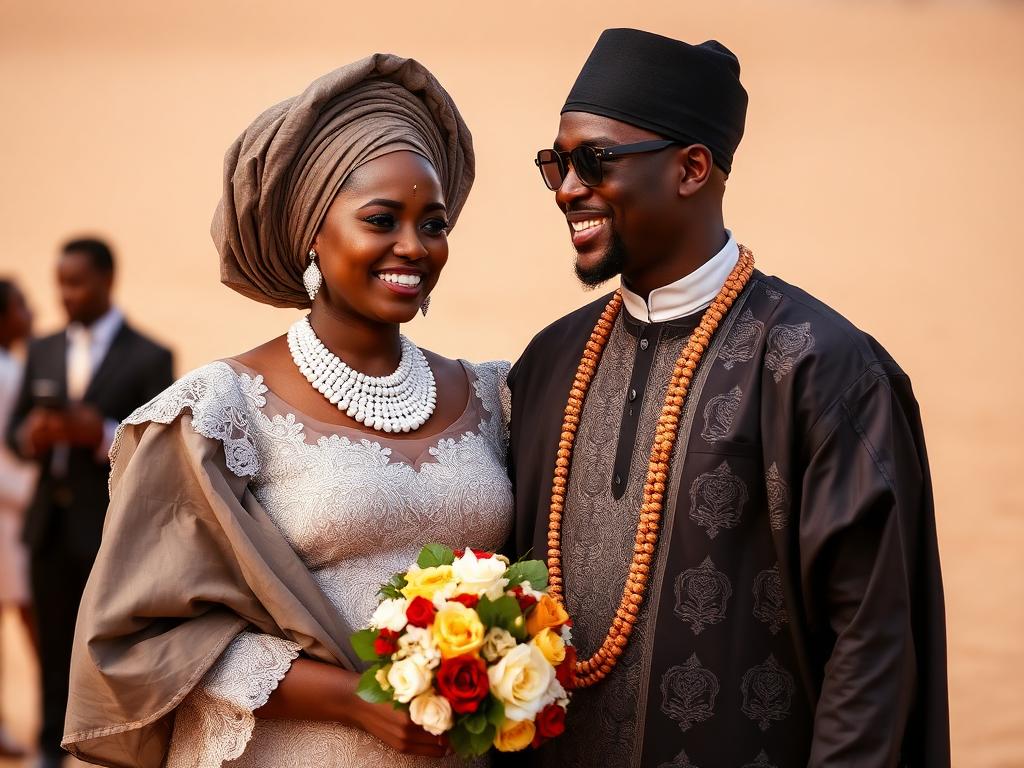
A Black Yoruba bride in gele and groom in agbada at their wedding

Ìgbéyàwó is not the joining of two people; it is the joining of two families, two histories, and two futures. The Yorùbá wedding is a covenant witnessed by the living, the elders, and the ancestors.

Ìdána — the engagement

The traditional engagement carries symbols: kola nuts for life and welcome, honey for sweetness, bitter kola for long life, salt for enduring flavour, and the letter of proposal read aloud by the groom's family and answered by the bride's. Every item is a vow spoken in objects.

The prostration and the blessing

The groom's ìdọ̀bálẹ̀ — lying flat before the bride's parents — is not submission to people but humility before lineage. The blessing of parents is sought because a marriage without blessing carries a weight the couple must lift alone.

Two households, one covenant

The bride is received as a daughter, not a guest; the groom becomes a son. Obligations flow both ways — to in-laws, to age-mates, to the extended family. This is why compatibility of families matters as much as compatibility of hearts.

Marriage as daily work

Sùúrù — patience — is called the father of character. Marriage is sustained by forgiveness practised quickly, provision shared honestly, and conflict resolved before it reaches the street. Elders are called before separation is considered.

Òwe · Proverb

Sùúrù ni baba ìwà.

Patience is the father of character — and the marrow of marriage.

Practise it

  • 01Complete marriage preparation with a mentor couple before the date.
  • 02Agree on money, in-laws, and children in writing, not in assumption.
  • 03Honour both families equally in ceremony and in visits.
  • 04Never let a quarrel leave your compound before you have tried to settle it.

Continue through the pillars

Home
Matches
Sparks
Talk
Feed
Me